Introduction: Why Nutrition Guidelines Had to Change
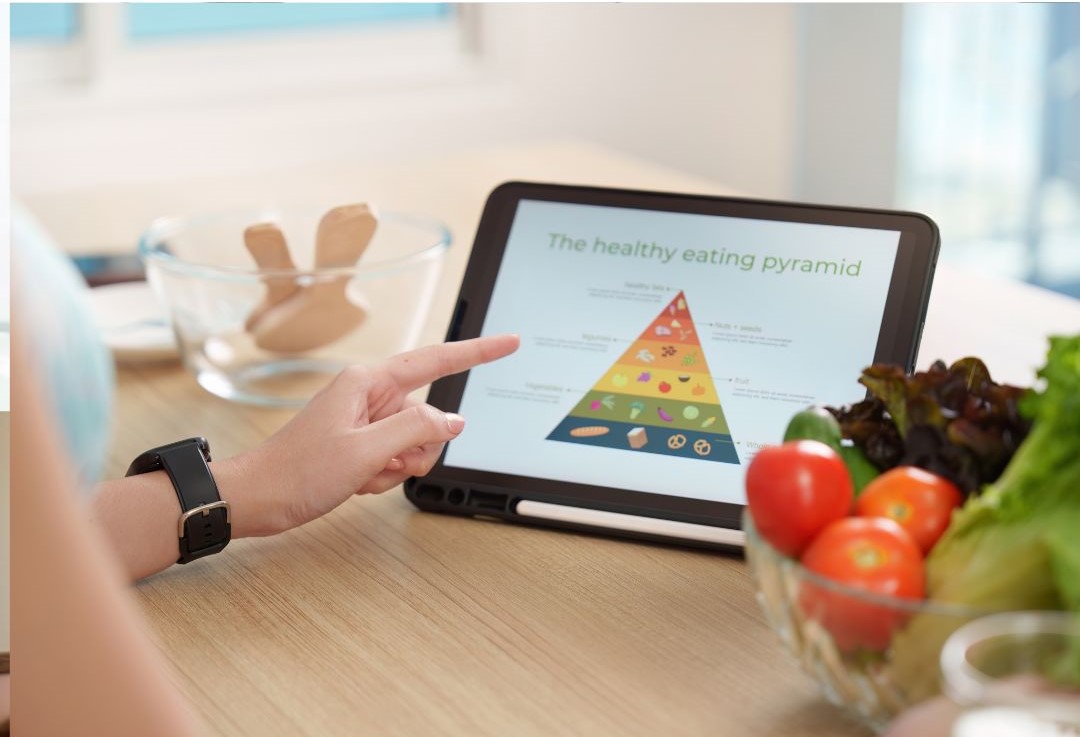
For decades, the food pyramid shaped how people understood “healthy eating.” Classrooms, hospitals, and public health campaigns relied on it as a universal guide.
Yet despite good intentions, rates of obesity, diabetes, and lifestyle-related diseases continued to rise.
This raised an important question:
Was the problem people’s behavior — or the guidelines themselves?
As nutrition science evolved, it became clear that the traditional model was too simplistic for the complex relationship between food, health, and human behavior.
The Traditional Food Pyramid: A Product of Its Time
The original food pyramid was designed to simplify nutrition advice for the general population. Its core principles included:
- A heavy emphasis on carbohydrates as the foundation of the diet
- Minimal fat consumption
- Fixed daily servings for everyone
At the time, fat was strongly associated with heart disease, and calories were seen as the main driver of weight gain. However, this approach treated all foods within a category as nutritionally equal — a critical limitation.
White bread and whole grains were grouped together.
Highly processed oils and natural fats were treated the same.
Individual needs and cultural eating habits were largely ignored.
Where the Old Model Fell Short
Over time, several flaws became evident:
1. Quantity Over Quality
The pyramid focused on how much to eat, not what kind of food to eat. This encouraged overconsumption of refined carbohydrates while overlooking nutrient density.
2. Fear of Fat
By placing fats at the top, the pyramid labeled them as unhealthy, despite growing evidence that healthy fats support brain function, hormonal balance, and metabolic health.
3. Ignoring Food Processing
The model failed to distinguish between whole, minimally processed foods and ultra-processed products — a factor now known to strongly impact health outcomes.
4. One-Size-Fits-All Guidance
The same recommendations were applied to children, adults, athletes, and people with chronic conditions, despite vastly different nutritional needs.
The Shift in Nutrition Science
As research advanced, nutrition science began moving away from single nutrients and toward dietary patterns.
Large-scale studies revealed that:
- Whole foods consistently outperform refined foods in long-term health outcomes
- The source of calories matters as much as the number of calories
- Diets rich in plants, healthy fats, and diverse proteins reduce chronic disease risk
- Lifestyle, environment, and culture shape how food affects the body
This shift marked a fundamental change:
nutrition could no longer be explained by a pyramid.
Modern Nutrition Models: What Changed?
Today’s guidelines reflect a more holistic understanding of health.
1. From Food Groups to Food Quality
Modern models prioritize:
- Vegetables and fruits as the foundation
- Whole grains over refined carbohydrates
- Healthy fats such as olive oil, nuts, and seeds
- Diverse protein sources, including plant-based options
2. From Rules to Patterns
Rather than strict serving sizes, modern nutrition focuses on sustainable eating patterns such as the Mediterranean and DASH diets.
3. From Universal to Personalized
Health status, lifestyle, genetics, and culture now play a central role in nutrition recommendations.
4. From Short-Term to Long-Term Health
The goal is no longer rapid weight loss, but metabolic health, disease prevention, and overall well-being.
The Real-World Impact of This Shift
These changes have reshaped how nutrition is practiced across healthcare and technology:
- Public health strategies now emphasize prevention and lifestyle medicine
- Clinicians focus on behavior, not just prescriptions
- Consumers seek clarity amid conflicting advice
- Digital health platforms translate science into daily habits
Nutrition is no longer just about food — it’s about systems, access, and understanding.
Where DigiTAAM Fits In
From day one, DigiTAAM was built around this modern understanding of nutrition.
Rather than relying on outdated, generic models, DigiTAAM focuses on:
- Connecting nutrition science with real-life behavior
- Translating complex data into actionable insights
- Adapting guidance to individuals, professionals, and communities
- Building smarter, connected nutrition ecosystems
Because better nutrition doesn’t come from rigid rules — it comes from systems that understand people.