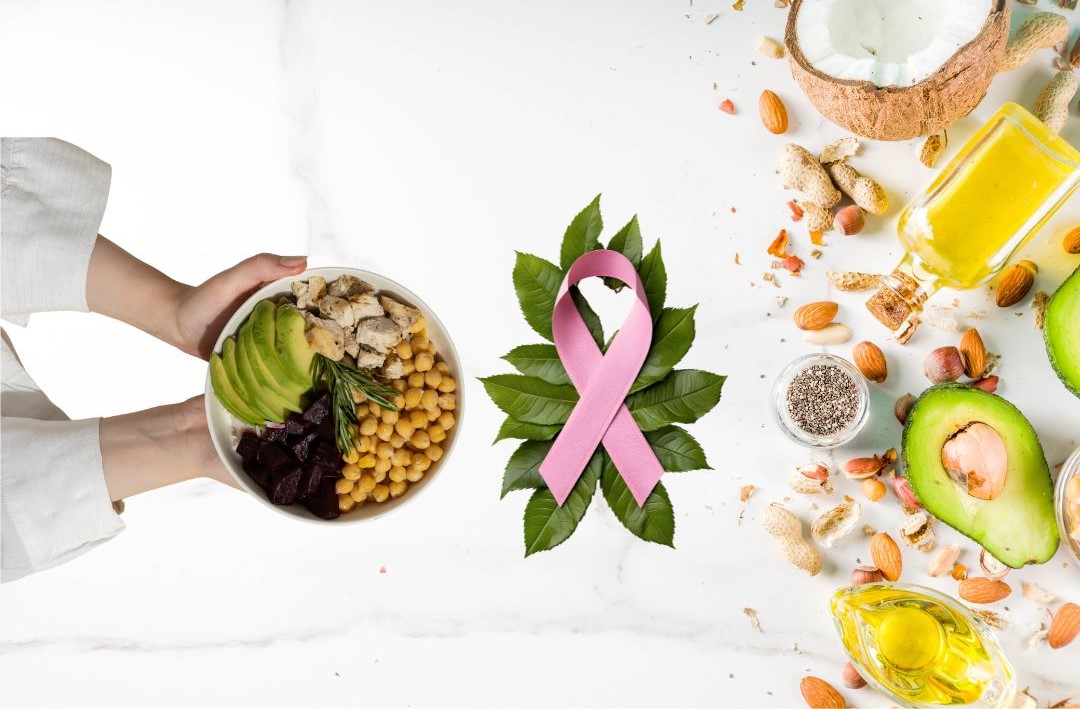
How Micronutrients Protect & Support the Body
Proper nutrition is a powerful, science-backed strategy in breast cancer prevention, treatment support, and recovery. Micronutrients (vitamins, minerals) and antioxidants act as the body’s cellular shields—protecting DNA, reducing inflammation, and supporting healthy cell function. When these nutrients are introduced early in life and maintained into adulthood, they help build long-term resilience against breast cancer.
1. Antioxidants: Defenders Against Oxidative Stress
Oxidative stress damages DNA and fuels cancer development. Antioxidants neutralize harmful free radicals, reducing this risk.
Key Antioxidants & Their Benefits:
- Vitamin C (citrus, bell peppers, berries)
- Supports immunity and collagen synthesis
- May improve the tumor microenvironment
- Vitamin E (nuts, seeds, spinach)
- Powerful fat-soluble antioxidant
- Carotenoids – Beta-carotene, Lycopene, Lutein (carrots, tomatoes, leafy greens)
- Anti-inflammatory and antioxidant effects
- Linked to lower breast cancer risk
- Selenium (Brazil nuts, seafood, whole grains)
- Essential mineral that boosts antioxidant enzyme activity
2. Vitamin D: A Game-Changer in Breast Cancer Prevention
Research from WHO and ESPEN indicates that adequate Vitamin D levels are associated with reduced breast cancer risk and improved outcomes.
Functions of Vitamin D:
- Regulates cell growth and differentiation
- Strengthens immune defenses
- May improve prognosis in diagnosed patients
Sources: Sunlight, fatty fish, fortified dairy or cereals.
3. Folate (Vitamin B9): DNA Protection at the Core
- Found in leafy greens, legumes, and fortified grains
- Crucial for DNA synthesis and repair
- Helps prevent DNA methylation errors that trigger cancer
4. Omega-3 Fatty Acids: Anti-inflammatory Cancer Shield
- Found in fatty fish, flaxseeds, chia seeds
- Reduce inflammation
- May slow tumor growth and metastasis
Why These Nutrients Matter During Treatment
Major organizations like ASPEN and ESPEN stress the importance of personalized nutrition plans for cancer patients. These micronutrients support:
- Immune function
- Wound healing
- Reduced treatment side effects
⚠ Caution: High-dose supplements during chemotherapy may interfere with treatment (as noted by SBI research).
✅ Food-first approach is universally recommended.
Starting Young: Lifelong Breast Cancer Prevention Strategies
Healthy habits built in adolescence create long-term protection.
1. “Eat the Rainbow”
Encourage a colorful mix of fruits and vegetables daily for broad antioxidant coverage.
2. Choose Whole Grains Over Refined
Whole grains (brown rice, oats, whole wheat) offer fiber, B vitamins, and protective plant compounds.
3. Embrace Healthy Fats
Include Omega-3s and monounsaturated fats:
- Avocado
- Olive oil
- Salmon, walnuts, chia seeds
4. Limit Processed & Sugary Foods
Processed foods fuel inflammation and oxidative stress.
5. Stay Active
Regular exercise lowers breast cancer risk and boosts whole-body health.
6. Educate & Screen
As youth transition to adulthood, promote:
- Breast self-awareness
- Early screening per national guidelines
The Takeaway: Nutrition as a Lifelong Shield
By integrating micronutrients, antioxidants, and healthy habits early in life, we create a science-backed defense system against breast cancer. From prevention to recovery, these nutrients support the body at every stage.