
DocTwin: Redefining Clinical Efficiency in Modern Practice

Ramadan is a time of focus, balance, and discipline. For doctors and nutrition professionals, however, it can also mean longer days, tighter schedules, and increased patient needs — all while managing reduced energy levels during fasting. In high-demand seasons like Ramadan, time becomes one of the most valuable clinical resources. DocTwin was built to protect that resource. Designed by DigiTAAM, DocTwin is an AI-powered clinical support platform that streamlines workflows, reduces administrative burden, and enables doctors to focus on what truly matters: patient care. The Hidden Time Drain in Clinical Practice Behind every consultation lies a significant amount of unseen work: While essential, these repetitive tasks consume hours each week. During Ramadan — when both clinicians and patients operate on adjusted schedules — this operational load becomes even more challenging. DocTwin addresses this gap by transforming fragmented processes into an intelligent, unified system. How DocTwin Saves Time — Intelligently 1. Structured Smart Patient Profiles All patient data is organized into clear, accessible digital profiles. History, progress, lifestyle factors, and prior plans are centralized and easy to navigate. Impact: Less searching. Faster decision-making. 2. AI-Assisted Plan Generation DocTwin leverages AI to generate draft nutrition or care plans based on patient data and clinical objectives. Doctors retain full control — reviewing and adjusting before approval — while eliminating the need to start from scratch. Impact: Reduced preparation time with consistent quality. 3. Intelligent Follow-Up Management DocTwin helps schedule and monitor follow-ups while highlighting patients who require attention. Instead of manually tracking each case, clinicians receive structured visibility into patient progress. Impact: Improved continuity of care without additional workload. Why Efficiency Matters Even More During Ramadan Ramadan reshapes daily routines for both healthcare providers and patients. Consultation windows shift. Energy must be managed carefully. Cognitive focus becomes precious. DocTwin supports clinicians during this period by: The result is not just time saved — but mental space regained.
The End of the Food Pyramid: Building a Modern, Human-Centered Nutrition Model
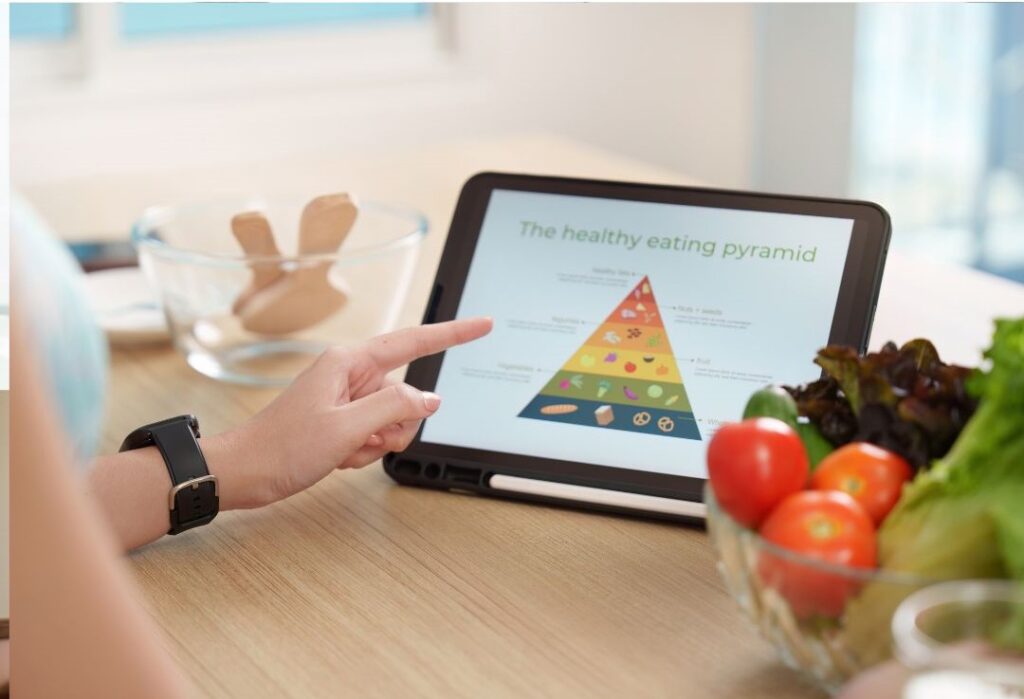
Introduction: Why Nutrition Guidelines Had to Change For decades, the food pyramid shaped how people understood “healthy eating.” Classrooms, hospitals, and public health campaigns relied on it as a universal guide.Yet despite good intentions, rates of obesity, diabetes, and lifestyle-related diseases continued to rise. This raised an important question:Was the problem people’s behavior — or the guidelines themselves? As nutrition science evolved, it became clear that the traditional model was too simplistic for the complex relationship between food, health, and human behavior. The Traditional Food Pyramid: A Product of Its Time The original food pyramid was designed to simplify nutrition advice for the general population. Its core principles included: At the time, fat was strongly associated with heart disease, and calories were seen as the main driver of weight gain. However, this approach treated all foods within a category as nutritionally equal — a critical limitation. White bread and whole grains were grouped together.Highly processed oils and natural fats were treated the same.Individual needs and cultural eating habits were largely ignored. Where the Old Model Fell Short Over time, several flaws became evident: 1. Quantity Over Quality The pyramid focused on how much to eat, not what kind of food to eat. This encouraged overconsumption of refined carbohydrates while overlooking nutrient density. 2. Fear of Fat By placing fats at the top, the pyramid labeled them as unhealthy, despite growing evidence that healthy fats support brain function, hormonal balance, and metabolic health. 3. Ignoring Food Processing The model failed to distinguish between whole, minimally processed foods and ultra-processed products — a factor now known to strongly impact health outcomes. 4. One-Size-Fits-All Guidance The same recommendations were applied to children, adults, athletes, and people with chronic conditions, despite vastly different nutritional needs. The Shift in Nutrition Science As research advanced, nutrition science began moving away from single nutrients and toward dietary patterns. Large-scale studies revealed that: This shift marked a fundamental change:nutrition could no longer be explained by a pyramid. Modern Nutrition Models: What Changed? Today’s guidelines reflect a more holistic understanding of health. 1. From Food Groups to Food Quality Modern models prioritize: 2. From Rules to Patterns Rather than strict serving sizes, modern nutrition focuses on sustainable eating patterns such as the Mediterranean and DASH diets. 3. From Universal to Personalized Health status, lifestyle, genetics, and culture now play a central role in nutrition recommendations. 4. From Short-Term to Long-Term Health The goal is no longer rapid weight loss, but metabolic health, disease prevention, and overall well-being. The Real-World Impact of This Shift These changes have reshaped how nutrition is practiced across healthcare and technology: Nutrition is no longer just about food — it’s about systems, access, and understanding. Where DigiTAAM Fits In From day one, DigiTAAM was built around this modern understanding of nutrition. Rather than relying on outdated, generic models, DigiTAAM focuses on: Because better nutrition doesn’t come from rigid rules — it comes from systems that understand people.
Technology as an Equalizer: Closing the Nutrition Gap
In an era of exponential technological progress, global access to health and nutrition remains profoundly unequal. While some individuals use wearables and genetic data to fine-tune their macronutrient intake, others still rely on food aid that ignores their health conditions, age, or religious practices. According to the Global Nutrition Report (2023): Technology—when responsibly designed—has the power to bridge these divides. It can extend the reach of professionals, personalize care at scale, and support people where nutritionists are unavailable. At DigiTAAM, we are building AI-powered tools—DocTwin and InTwin—with one core belief: Nutrition should be a right, not a luxury. The Root of the Gap: Expertise, Not Just Food Access to food is necessary—but not sufficient. Malnutrition exists not only in food deserts, but also in food-swamped communities where diets are calorically dense but nutritionally poor. The deeper problem is a lack of nutrition knowledge, especially in: The global average is 1 trained dietitian per 20,000 people. In sub-Saharan Africa, that number drops below 1 per 100,000. Without access to trained professionals, patients with diabetes, anemia, kidney issues, or lactating mothers are often advised generically—if at all. The Power of Responsible AI in Nutrition At DigiTAAM, we asked: Can we distill global nutrition knowledge into safe, contextualized, affordable tools? The answer is yes—if done carefully. DocTwin — Empowering Nutritionists DocTwin helps clinics and nutritionists save time and increase impact by: DocTwin can cut professional planning time by around 80%, based on trials. InTwin — Empowering Individuals InTwin is a smart mobile AI agent that: Together, DocTwin and InTwin form an interconnected AI ecosystem. Professionals can send plans to patients. Patients can follow up via InTwin. The result? Care continuity even in resource-constrained settings. Accessibility by Design We didn’t build DigiTAAM for the top 5% of users with expensive trackers or high-speed internet. We built it for: Our AI models are: From Technology to Equity The greatest value of AI in nutrition isn’t speed—it’s scale.With a single professional using DocTwin, we can help manage 10x more patients.With InTwin, we can give guidance to someone who had no nutritionist at all. This is not about replacing professionals. It’s about extending their reach, preserving their wisdom, and scaling their impact. True equity means the diabetic in Darfur receives a diet plan just as safe and valid as the executive in Dubai. Closing Thoughts: A Just Food Future As we face a future of climate shocks, migration, and changing food systems, we need resilient digital infrastructure for health—and that includes nutrition. Technology alone won’t solve hunger. But it can ensure that when food is available, it’s the right food, for the right person, at the right time. That’s the promise of DigiTAAM—and the reason we believe technology is the great equalizer.
Our Proprietary AI Models: Advancing Nutritional Analysis
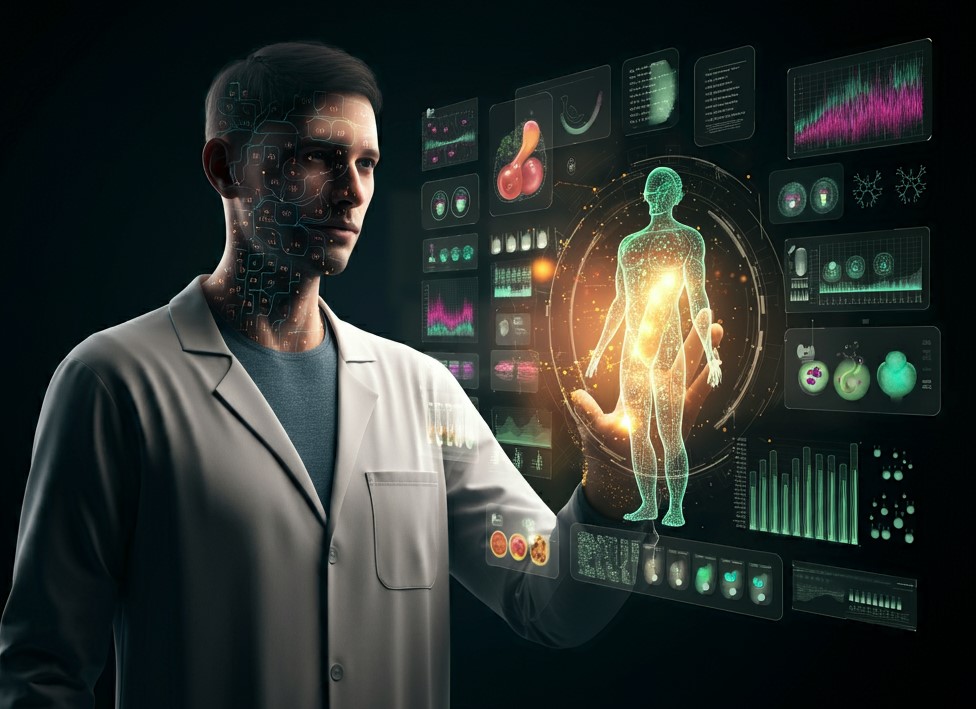
At DigiTAAM, we’re redefining what nutrition AI can do. Our proprietary engine powering solutions for professionals and public users is the product of three years of dedicated R&D, guided by nutrition scientists, software engineers, and clinical practitioners. The result? A platform that delivers clinically accurate, culturally adaptable, and ethically designed nutrition plans at scale. The Science Behind DigiTAAM AI Unlike standard calorie-counting apps, our AI models nutrition at a deep, multi-dimensional level, ensuring each plan is scientifically grounded, safe, and practical. Key Features Published Validation Our work has been peer-reviewed and validated in clinical settings. Highlights from our ESPEN 2025 poster presentation: These results confirm that DigiTAAM’s AI not only matches clinical expertise but also enhances patient engagement and operational efficiency. What Sets DigiTAAM AI Apart DigiTAAM’s AI is more than a startup, it saves a scalable, clinically rigorous solution designed for modern healthcare systems, capable of supporting both professionals and the communities they serve.
The DigiTAAM Approach to Nutrition Technology: Our Methodology and Differentiators
Building Clinical-Grade Nutrition Intelligence at Population Scale Health technology should do more than track calories or count steps. At DigiTAAM, we are building a new class of nutrition intelligence—one that balances clinical accuracy, cultural adaptability, and ethical AI design. Unlike general fitness or diet apps, DigiTAAM is designed a clinical ecosystem, capable of supporting healthcare systems, professionals, and entire populations—not just individual users. 1. Built on Global Clinical and Nutrition Standards At the core of DigiTAAM’s AI is a strict commitment to globally recognized scientific guidelines. Our proprietary models are trained on and constrained by: Every recommendation generated by DigiTAAM is explainable, traceable, and benchmarked against expert knowledge. This ensures transparency for clinicians and trust for users. In recent evaluations, our nutrient outputs demonstrated ~93% average alignment with expert-crafted nutrition plans, across both macro- and micronutrient targets—reflecting strong clinical consistency rather than generic optimization. 2. Nutrition That Respects Local Culture and Real Eating Habits Nutrition does not exist in isolation from culture. That’s why DigiTAAM is built on localized data and region-specific meal structures. We work with: This approach allows recommendations to align with how people actually eat—improving adoption, adherence, and long-term impact across different populations. 3. The Twin Engine Model: DocTwin + InTwin DigiTAAM operates on a dual-engine architecture designed to serve both professionals and the public: Together, DocTwin and InTwin create a closed health loop, enabling seamless interoperability between B2B and B2C use cases—while maintaining clinical oversight and data integrity. 4. Designed for Real-World Integration and Impact DigiTAAM is built to integrate where nutrition matters most. Our platform is designed to support partnerships with: By embedding intelligence directly into existing systems, DigiTAAM moves beyond isolated apps toward scalable, ethical, and system-level nutrition solutions.
Food as Medicine: The Science Behind Therapeutic Nutrition
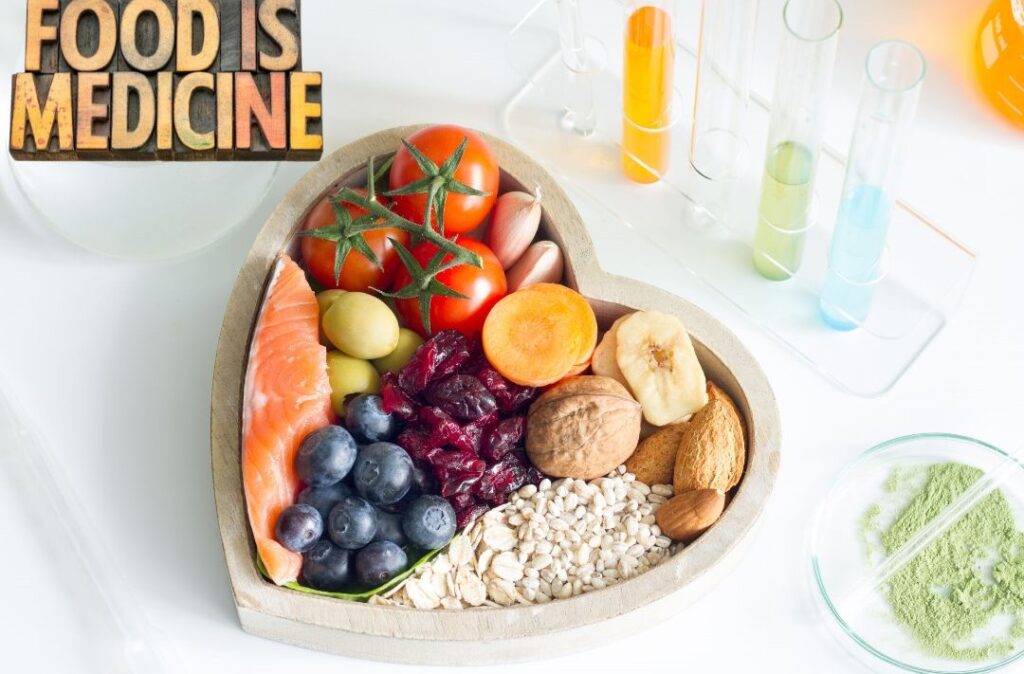
“Let food be thy medicine and medicine be thy food.” This famous quote, often attributed to Hippocrates, has never been more relevant than today. But is there real science behind using food as medicine, or is it just ancient wisdom that sounds good? The answer is clear: decades of rigorous research now confirm that what we eat profoundly affects our health, disease risk, and even our ability to manage chronic conditions. Food as medicine isn’t alternative medicine—it’s evidence-based healthcare. What Does “Food as Medicine” Really Mean? Food as medicine refers to using specific foods, dietary patterns, and nutritional interventions to prevent, manage, or treat health conditions. This doesn’t mean abandoning conventional medicine, but rather recognizing that nutrition is a powerful therapeutic tool that works alongside—and sometimes reduces the need for—medications. The concept includes: The Scientific Evidence: Food’s Impact on Health Cardiovascular Disease Heart disease remains the leading cause of death globally, yet research shows diet plays a crucial role in both causing and preventing it. The Evidence: The landmark PREDIMED study, published in the New England Journal of Medicine (2013), followed 7,447 participants at high cardiovascular risk. Those assigned to a Mediterranean diet supplemented with extra-virgin olive oil or nuts had a 30% lower risk of major cardiovascular events compared to a low-fat diet control group. How It Works: Practical Application: The DASH (Dietary Approaches to Stop Hypertension) diet, rich in fruits, vegetables, whole grains, and low-fat dairy, can lower blood pressure as effectively as some medications—reducing systolic pressure by 8-14 points. Type 2 Diabetes Nutrition is so powerful for diabetes that it’s considered first-line treatment before medication. The Evidence: The Diabetes Prevention Program, a major NIH study published in 2002, demonstrated that lifestyle interventions including diet reduced diabetes risk by 58% in high-risk individuals—more effective than the medication metformin, which reduced risk by 31%. How It Works: Practical Application: A 2017 study in The Lancet showed that an intensive low-calorie diet program achieved diabetes remission in 46% of participants at one year, compared to 4% in the control group. Inflammation and Autoimmune Conditions Chronic inflammation underlies many diseases, from arthritis to inflammatory bowel disease. Diet significantly influences inflammatory markers. The Evidence: Research published in the Journal of the American College of Cardiology (2020) found that pro-inflammatory diets high in refined carbohydrates and red meat increased cardiovascular disease risk by 46%, while anti-inflammatory diets reduced risk by 28%. How It Works: Practical Application: For rheumatoid arthritis, Mediterranean diet interventions have shown significant improvements in pain, stiffness, and disease activity in multiple clinical trials. Digestive Health The gut microbiome—trillions of bacteria in our digestive system—is profoundly influenced by diet and affects everything from immunity to mental health. The Evidence: A 2021 study in Cell demonstrated that diet rapidly and reproducibly alters the gut microbiome. High-fiber, plant-based diets increased beneficial bacteria, while high-fat, low-fiber diets promoted inflammatory bacterial species. How It Works: Practical Application: For irritable bowel syndrome (IBS), the low-FODMAP diet developed by researchers at Monash University provides symptom relief in 70% of patients according to multiple clinical trials. Cancer Prevention While no food can cure cancer, diet significantly impacts cancer risk. The Evidence: The World Cancer Research Fund’s Continuous Update Project, analyzing data from hundreds of studies, concludes that approximately 30-40% of cancers are preventable through diet, physical activity, and weight management. How It Works: Practical Application: The American Institute for Cancer Research recommends filling 2/3 of your plate with plant foods—vegetables, fruits, whole grains, and legumes—to reduce cancer risk. Mental Health Emerging research reveals strong connections between diet and mental wellbeing. The Evidence: The SMILES trial, published in BMC Medicine (2017), was the first randomized controlled trial showing that dietary improvement significantly reduced depression symptoms. Participants following a Mediterranean-style diet showed a 32% remission rate compared to 8% in the control group. How It Works: Practical Application: Diets rich in vegetables, fruits, whole grains, fish, and olive oil consistently show associations with lower depression and anxiety rates across populations. Dietary Patterns That Heal Mediterranean Diet What It Is: Emphasizes vegetables, fruits, whole grains, legumes, olive oil, fish, and moderate wine, with limited red meat and processed foods. The Evidence: Most extensively studied dietary pattern, with thousands of studies supporting health benefits across multiple conditions. Proven Benefits: DASH Diet What It Is: Designed to lower blood pressure, emphasizes fruits, vegetables, whole grains, lean proteins, and low-fat dairy while limiting sodium, red meat, and sweets. The Evidence: Originally developed through NIH-funded research specifically to treat hypertension. Proven Benefits: Plant-Based Diets What It Is: Emphasizes whole plant foods—vegetables, fruits, whole grains, legumes, nuts, seeds—with minimal or no animal products. The Evidence: Large population studies like the Adventist Health Study-2 show vegetarians and vegans have lower rates of heart disease, diabetes, hypertension, and certain cancers. Proven Benefits: Anti-Inflammatory Diet What It Is: Focuses on foods that fight inflammation—colorful fruits and vegetables, omega-3 rich fish, nuts, olive oil—while avoiding inflammatory foods like refined carbs, processed meats, and trans fats. The Evidence: Studies show anti-inflammatory dietary patterns reduce markers of systemic inflammation like C-reactive protein. Proven Benefits: Food as Medicine in Clinical Practice Medical Nutrition Therapy Many healthcare systems now recognize Medical Nutrition Therapy (MNT) as an essential treatment component for various conditions. Insurance Coverage: Medicare and many private insurers cover MNT for diabetes and kidney disease, recognizing its cost-effectiveness compared to medications alone. Effectiveness: Studies show MNT can: Prescribing Produce Innovative “produce prescription” programs are emerging where doctors literally prescribe fruits and vegetables to patients with diet-related diseases. The Evidence: A 2019 study in Preventing Chronic Disease found that produce prescription programs improved food security, increased fruit and vegetable consumption, and reduced BMI and blood pressure. How It Works: Patients receive vouchers or subsidies for fresh produce at farmers’ markets or grocery stores, often combined with nutrition education. Culinary Medicine Medical schools are increasingly teaching culinary medicine—hands-on cooking and nutrition education for healthcare providers to better support patients. The Rationale: Doctors can’t effectively prescribe dietary changes if they don’t understand practical cooking and
Nutrition for All: Breaking Down Barriers to Healthy Eating

Access to affordable nutrition advice shouldn’t depend on your income or location. Yet millions worldwide struggle to find personalized diet plans, culturally appropriate meal planning, and budget-friendly healthy eating guidance. Can digital health technology and AI nutrition apps finally make professional dietary advice accessible to everyone? The Global Nutrition Access Crisis The numbers tell a sobering story: 1.9 billion adults worldwide are overweight or obese, while 462 million people suffer from malnutrition according to WHO. In developing countries, there’s often fewer than one nutritionist per 100,000 people. Why Healthy Eating Remains Out of Reach Cost of Nutrition Services Traditional dietitian services and nutritionist consultations cost around $100 per visit, with multiple follow-ups needed. For low-income families, this competes directly with grocery budgets. Even online nutrition coaching, while cheaper than in-person visits, remains unaffordable for many. Geographic Barriers to Healthcare Rural communities and underserved areas lack registered dietitians entirely. Urban-rural health disparities mean location determines access to nutrition professionals, creating a healthcare accessibility gap that affects millions. Cultural Food Barriers Generic meal plans ignore cultural dietary preferences, traditional foods, and local ingredient availability. Standard nutrition education often promotes Western diets unsuitable for diverse populations, creating a cultural competency gap in healthcare. Nutrition Misinformation Online Social media nutrition advice, fad diets, and conflicting information make it nearly impossible to find evidence-based nutrition guidance without professional help. How Technology Is Democratizing Nutrition Access AI-Powered Meal Planning Artificial intelligence in healthcare is revolutionizing personalized nutrition planning. AI meal planners can create customized diet plans based on: These AI nutrition assistants provide instant, personalized dietary advice that once required expensive consultations. Affordable Nutrition Apps Mobile health apps and nutrition tracking apps are slashing costs. Budget-friendly nutrition solutions now deliver professional-grade guidance for a fraction of traditional prices. Some platforms offer: Telemedicine for Nutrition Online dietitian services and virtual nutrition consultations eliminate geographic barriers. Remote nutrition counseling connects rural patients with professionals anywhere, breaking down location-based healthcare access issues. Telehealth nutrition services are growing 30% annually, making registered dietitian online consultations accessible to previously underserved areas. Culturally Sensitive Nutrition Technology Modern nutrition software incorporates: This cultural competence in digital health ensures recommendations work in real-world contexts, not just textbooks. Multilingual Nutrition Resources Digital platforms break language barriers with nutrition education in multiple languages, making dietary guidance accessible regardless of native language. AI Nutrition Coaching: The Game Changer AI-powered nutrition platforms offer unique advantages: 24/7 Availability: Virtual nutrition assistants provide guidance anytime, perfect for shift workers and busy families. Personalized Nutrition at Scale: Machine learning in healthcare creates individualized meal plans for millions simultaneously. Cost-Effective Solutions: Automated nutrition planning reduces costs by 80-90% versus traditional services. Continuous Improvement: AI diet apps learn from millions of users, constantly improving recommendations. Integration with Health Technology: Connects with fitness trackers, smart scales, and health monitoring devices for holistic wellness tracking. Technology for Nutrition Professionals Digital tools aren’t replacing dietitians—they’re amplifying their impact. Nutrition professionals spend 40% of time on administrative tasks. Practice management software and AI assistants automate: This allows dietitians to serve 50% more patients while focusing on complex cases requiring human expertise. Clinic management systems for nutritionists improve both patient access and professional satisfaction. Proven Results in Underserved Communities Early adoption shows promising outcomes: Overcoming Digital Health Challenges Bridging the Digital Divide Not everyone has smartphones or internet access. Solutions include: Health Data Privacy and Security HIPAA-compliant nutrition apps and secure health platforms protect sensitive information with encryption and strict privacy policies. Maintaining Professional Standards AI-assisted nutrition requires human oversight. Complex medical conditions, eating disorders, and special cases need licensed nutritionist consultation. The goal is human-AI collaboration in healthcare, not replacement. Preventing Algorithmic Bias Diverse training data and continuous monitoring ensure AI nutrition recommendations serve all populations equitably without perpetuating health disparities. The Future of Accessible Nutrition Imagine: This vision is becoming reality through affordable health technology and AI-driven personalization. Building Equitable Nutrition Solutions Creating truly accessible nutrition technology requires: 1. Inclusive Design: Co-created with diverse communities, not just developed in tech hubs 2. Affordable Healthcare Models: Free tiers, income-based pricing, and subsidized access as core features 3. Cultural Competence: Respecting food traditions while providing evidence-based guidance 4. Professional Collaboration: Empowering rather than replacing nutrition experts 5. Scientific Validation: Grounded in peer-reviewed nutrition research 6. Privacy First: Strong data protection and user control Your Role in Nutrition Accessibility For Individuals: For Healthcare Professionals: For Advocates: For Innovators: Conclusion: Making Nutrition a Right, Not a Privilege The barriers to healthy eating—cost, location, culture, and knowledge—still affect millions. But for the first time, we have technology that can overcome them. AI nutrition apps, telemedicine for dietitians, mobile health platforms, and smart practice management are proving that personalized dietary guidance can reach everyone, everywhere, affordably. The technology exists. The science supports it. The need is urgent. Healthy eating shouldn’t cost hundreds of dollars or require living near major cities. In 2025, with smart application of healthcare technology and human expertise, affordable nutrition guidance can become universally accessible. The revolution in nutrition accessibility is here. The barriers are falling. And that’s great news for anyone seeking affordable, personalized, culturally appropriate nutrition advice to improve their health.
How Technology Can Extend the Reach of Nutrition Professionals

Introduction Malnutrition today exists in two extremes: hunger and obesity. In 2023, the World Health Organization (WHO) reported that one in nine people globally suffers from hunger, while over 1.9 billion adults are overweight or obese. This paradox reflects a deeper global challenge — millions lack access to timely, expert-driven nutrition guidance. The problem isn’t limited to food availability. It’s also a matter of expertise. On average, there is only one registered dietitian for every 20,000 people worldwide — and in low-income countries, this ratio widens dramatically to 1 per 100,000 or more. Expanding the global nutrition workforce is essential, but solving this gap at scale requires more than adding professionals — it demands smarter systems that amplify their reach. The Case for AI-Augmented Nutrition At DigiTAAM, we believe the future of nutrition is human-centered and technology-empowered — where professional expertise is strengthened, not replaced, by intelligent tools. In a recent DigiTAAM time-motion evaluation, DocTwin cut average diet-plan creation time from 25 minutes to less than 5 minutes, transforming productivity and client service efficiency. Closing the Expertise Gap With advanced automation and evidence-driven AI support, a single professional can now serve up to ten times more clients — without compromising quality. Meanwhile, individuals in underserved communities gain guided, accessible nutrition support thanks to platforms like InTwin. This model unlocks: The Future of Nutrition Is Hybrid Technology doesn’t replace nutrition professionals — it empowers them to reach more people, faster, and with greater accuracy. By combining expert judgment with intelligent automation, DigiTAAM bridges the global nutrition gap and builds a world where quality nutritional support is accessible to all, not just the few.
From Diagnosis to Survivorship: Telenutrition is the Catalyst for Breast Cancer Recovery

In the complex journey of breast cancer treatment—from initial diagnosis through surgery, adjuvant therapies, and into long-term survivorship—nutrition is recognized by organizations like ESPEN and ASPEN as a critical determinant of outcome Malnutrition can increase complication rates, reduce treatment efficacy, and severely diminish Quality of Life (QoL). The challenge lies in providing timely, personalized nutritional support to every patient, regardless of location. This is where the DigiTeam Platform emerges as the essential catalyst, transforming patient care through Telenutrition. The DigiTeam Difference: Personalized Guidance, Digital Access The DigiTeam Platform is a patient-centric telenutrition solution designed to integrate oncological nutrition directly into the multidisciplinary cancer care pathway. It offers: Phase of Care DigiTeam Telenutrition Role Scientific Rationale (WHO/ASPEN/ESPEN) Pre-Operative (Prehabilitation) Connects the patient with a dedicated nutritionist for immediate, personalized guidance. Focuses on achieving optimal body composition (muscle mass, healthy weight) and building micronutrient reserves. Strong evidence supports prehabilitation to improve functional capacity, reduce hospital stays, and lower post-operative complications. Nutritional intervention is vital for managing pre-cachexia. Post-Operative & Treatment Real-time monitoring of symptoms (nausea, fatigue, appetite loss) via the platform. The nutritionist quickly adjusts the meal plan and provides strategies to combat side effects from chemotherapy or radiation. Maintaining protein and energy intake ( g/kg/day protein, kcal/kg/day energy) is essential for recovery, minimizing muscle wasting, and enhancing tolerance to aggressive treatments. Cure & Survivorship Facilitates long-term lifestyle modification—the core of prevention. Coaches the patient to embed new habits: shifting to a plant-forward, antioxidant-rich diet, reducing sedentary behavior, and achieving a healthy weight. Lifestyle change, including maintaining a healthy BMI and high physical activity, is demonstrably linked to reduced risk of recurrence and improved overall survival. The Power of Lifestyle Transformation The DigiTeam platform is more than a video-call tool; it is a behavioral change engine. By facilitating frequent, easy access to an expert nutritionist, it breaks down the barriers of geography and time, converting years of bad habits into sustainable, health-promoting practices. This continuous digital connection ensures accountability, personalized educational resources, and immediate support, empowering the patient to take an active role in their fight for long-term health. The future of supportive breast cancer care is digital, personalized, and driven by timely Telenutrition.
Micronutrients & Antioxidants: Fortifying the Fight Against Breast Cancer from Youth Onward
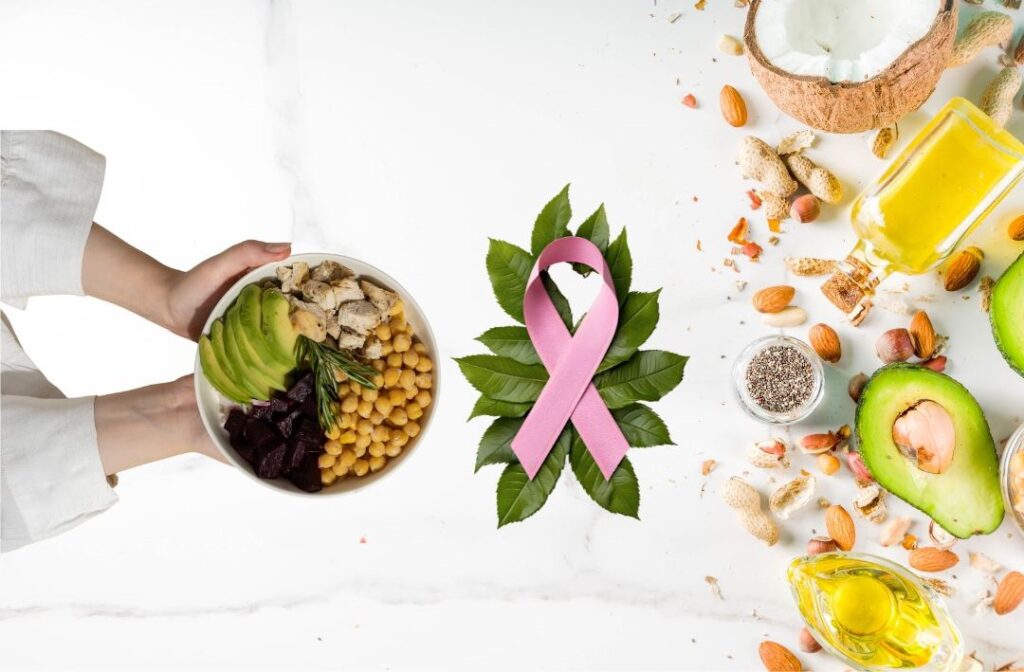
How Micronutrients Protect & Support the Body Proper nutrition is a powerful, science-backed strategy in breast cancer prevention, treatment support, and recovery. Micronutrients (vitamins, minerals) and antioxidants act as the body’s cellular shields—protecting DNA, reducing inflammation, and supporting healthy cell function. When these nutrients are introduced early in life and maintained into adulthood, they help build long-term resilience against breast cancer. 1. Antioxidants: Defenders Against Oxidative Stress Oxidative stress damages DNA and fuels cancer development. Antioxidants neutralize harmful free radicals, reducing this risk. Key Antioxidants & Their Benefits: 2. Vitamin D: A Game-Changer in Breast Cancer Prevention Research from WHO and ESPEN indicates that adequate Vitamin D levels are associated with reduced breast cancer risk and improved outcomes. Functions of Vitamin D: Sources: Sunlight, fatty fish, fortified dairy or cereals. 3. Folate (Vitamin B9): DNA Protection at the Core 4. Omega-3 Fatty Acids: Anti-inflammatory Cancer Shield Why These Nutrients Matter During Treatment Major organizations like ASPEN and ESPEN stress the importance of personalized nutrition plans for cancer patients. These micronutrients support: ⚠ Caution: High-dose supplements during chemotherapy may interfere with treatment (as noted by SBI research).✅ Food-first approach is universally recommended. Starting Young: Lifelong Breast Cancer Prevention Strategies Healthy habits built in adolescence create long-term protection. 1. “Eat the Rainbow” Encourage a colorful mix of fruits and vegetables daily for broad antioxidant coverage. 2. Choose Whole Grains Over Refined Whole grains (brown rice, oats, whole wheat) offer fiber, B vitamins, and protective plant compounds. 3. Embrace Healthy Fats Include Omega-3s and monounsaturated fats: 4. Limit Processed & Sugary Foods Processed foods fuel inflammation and oxidative stress. 5. Stay Active Regular exercise lowers breast cancer risk and boosts whole-body health. 6. Educate & Screen As youth transition to adulthood, promote: The Takeaway: Nutrition as a Lifelong Shield By integrating micronutrients, antioxidants, and healthy habits early in life, we create a science-backed defense system against breast cancer. From prevention to recovery, these nutrients support the body at every stage.