
Food as Medicine: The Science Behind Therapeutic Nutrition
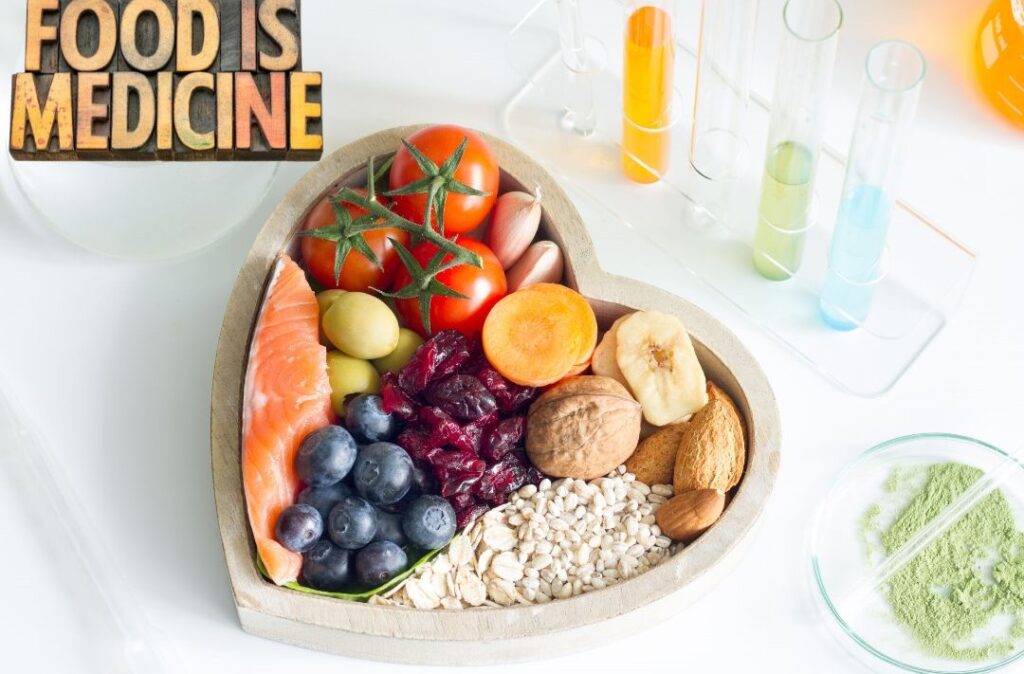
“Let food be thy medicine and medicine be thy food.” This famous quote, often attributed to Hippocrates, has never been more relevant than today. But is there real science behind using food as medicine, or is it just ancient wisdom that sounds good? The answer is clear: decades of rigorous research now confirm that what we eat profoundly affects our health, disease risk, and even our ability to manage chronic conditions. Food as medicine isn’t alternative medicine—it’s evidence-based healthcare. What Does “Food as Medicine” Really Mean? Food as medicine refers to using specific foods, dietary patterns, and nutritional interventions to prevent, manage, or treat health conditions. This doesn’t mean abandoning conventional medicine, but rather recognizing that nutrition is a powerful therapeutic tool that works alongside—and sometimes reduces the need for—medications. The concept includes: The Scientific Evidence: Food’s Impact on Health Cardiovascular Disease Heart disease remains the leading cause of death globally, yet research shows diet plays a crucial role in both causing and preventing it. The Evidence: The landmark PREDIMED study, published in the New England Journal of Medicine (2013), followed 7,447 participants at high cardiovascular risk. Those assigned to a Mediterranean diet supplemented with extra-virgin olive oil or nuts had a 30% lower risk of major cardiovascular events compared to a low-fat diet control group. How It Works: Practical Application: The DASH (Dietary Approaches to Stop Hypertension) diet, rich in fruits, vegetables, whole grains, and low-fat dairy, can lower blood pressure as effectively as some medications—reducing systolic pressure by 8-14 points. Type 2 Diabetes Nutrition is so powerful for diabetes that it’s considered first-line treatment before medication. The Evidence: The Diabetes Prevention Program, a major NIH study published in 2002, demonstrated that lifestyle interventions including diet reduced diabetes risk by 58% in high-risk individuals—more effective than the medication metformin, which reduced risk by 31%. How It Works: Practical Application: A 2017 study in The Lancet showed that an intensive low-calorie diet program achieved diabetes remission in 46% of participants at one year, compared to 4% in the control group. Inflammation and Autoimmune Conditions Chronic inflammation underlies many diseases, from arthritis to inflammatory bowel disease. Diet significantly influences inflammatory markers. The Evidence: Research published in the Journal of the American College of Cardiology (2020) found that pro-inflammatory diets high in refined carbohydrates and red meat increased cardiovascular disease risk by 46%, while anti-inflammatory diets reduced risk by 28%. How It Works: Practical Application: For rheumatoid arthritis, Mediterranean diet interventions have shown significant improvements in pain, stiffness, and disease activity in multiple clinical trials. Digestive Health The gut microbiome—trillions of bacteria in our digestive system—is profoundly influenced by diet and affects everything from immunity to mental health. The Evidence: A 2021 study in Cell demonstrated that diet rapidly and reproducibly alters the gut microbiome. High-fiber, plant-based diets increased beneficial bacteria, while high-fat, low-fiber diets promoted inflammatory bacterial species. How It Works: Practical Application: For irritable bowel syndrome (IBS), the low-FODMAP diet developed by researchers at Monash University provides symptom relief in 70% of patients according to multiple clinical trials. Cancer Prevention While no food can cure cancer, diet significantly impacts cancer risk. The Evidence: The World Cancer Research Fund’s Continuous Update Project, analyzing data from hundreds of studies, concludes that approximately 30-40% of cancers are preventable through diet, physical activity, and weight management. How It Works: Practical Application: The American Institute for Cancer Research recommends filling 2/3 of your plate with plant foods—vegetables, fruits, whole grains, and legumes—to reduce cancer risk. Mental Health Emerging research reveals strong connections between diet and mental wellbeing. The Evidence: The SMILES trial, published in BMC Medicine (2017), was the first randomized controlled trial showing that dietary improvement significantly reduced depression symptoms. Participants following a Mediterranean-style diet showed a 32% remission rate compared to 8% in the control group. How It Works: Practical Application: Diets rich in vegetables, fruits, whole grains, fish, and olive oil consistently show associations with lower depression and anxiety rates across populations. Dietary Patterns That Heal Mediterranean Diet What It Is: Emphasizes vegetables, fruits, whole grains, legumes, olive oil, fish, and moderate wine, with limited red meat and processed foods. The Evidence: Most extensively studied dietary pattern, with thousands of studies supporting health benefits across multiple conditions. Proven Benefits: DASH Diet What It Is: Designed to lower blood pressure, emphasizes fruits, vegetables, whole grains, lean proteins, and low-fat dairy while limiting sodium, red meat, and sweets. The Evidence: Originally developed through NIH-funded research specifically to treat hypertension. Proven Benefits: Plant-Based Diets What It Is: Emphasizes whole plant foods—vegetables, fruits, whole grains, legumes, nuts, seeds—with minimal or no animal products. The Evidence: Large population studies like the Adventist Health Study-2 show vegetarians and vegans have lower rates of heart disease, diabetes, hypertension, and certain cancers. Proven Benefits: Anti-Inflammatory Diet What It Is: Focuses on foods that fight inflammation—colorful fruits and vegetables, omega-3 rich fish, nuts, olive oil—while avoiding inflammatory foods like refined carbs, processed meats, and trans fats. The Evidence: Studies show anti-inflammatory dietary patterns reduce markers of systemic inflammation like C-reactive protein. Proven Benefits: Food as Medicine in Clinical Practice Medical Nutrition Therapy Many healthcare systems now recognize Medical Nutrition Therapy (MNT) as an essential treatment component for various conditions. Insurance Coverage: Medicare and many private insurers cover MNT for diabetes and kidney disease, recognizing its cost-effectiveness compared to medications alone. Effectiveness: Studies show MNT can: Prescribing Produce Innovative “produce prescription” programs are emerging where doctors literally prescribe fruits and vegetables to patients with diet-related diseases. The Evidence: A 2019 study in Preventing Chronic Disease found that produce prescription programs improved food security, increased fruit and vegetable consumption, and reduced BMI and blood pressure. How It Works: Patients receive vouchers or subsidies for fresh produce at farmers’ markets or grocery stores, often combined with nutrition education. Culinary Medicine Medical schools are increasingly teaching culinary medicine—hands-on cooking and nutrition education for healthcare providers to better support patients. The Rationale: Doctors can’t effectively prescribe dietary changes if they don’t understand practical cooking and