
The Value of Tele-Nutrition in Modern Healthcare
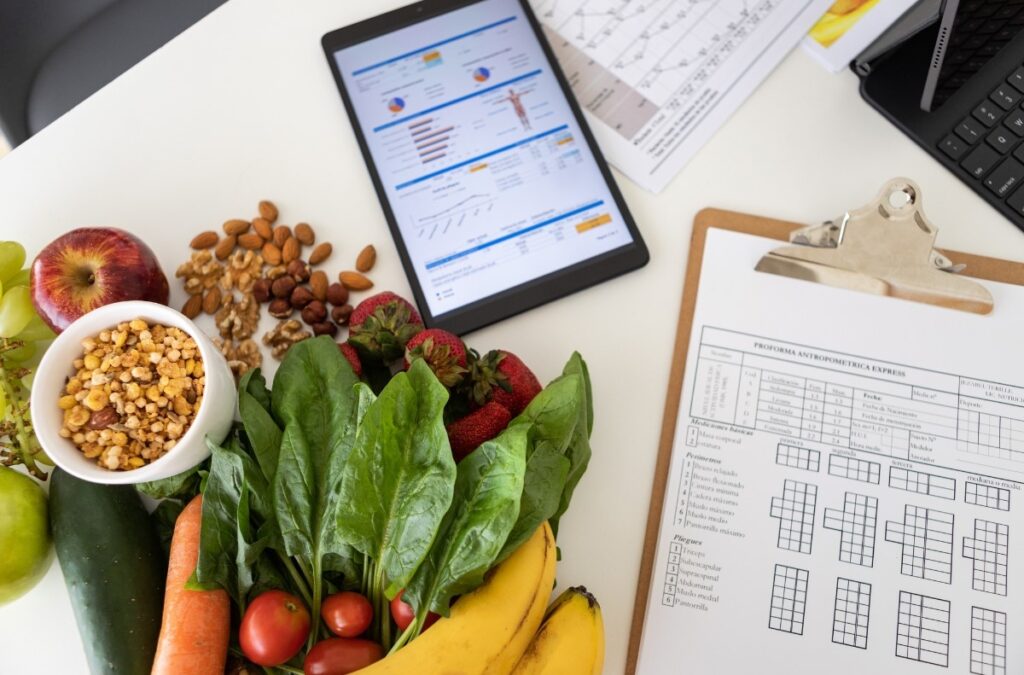
Nutrition has always been a cornerstone of preventive and therapeutic healthcare. Yet, access to qualified nutritionists remains deeply uneven—especially in rural communities, low-income regions, and post-pandemic health systems. According to the World Bank, more than 60% of primary health facilities in Sub-Saharan Africa lack a trained nutrition professional, leaving millions without adequate guidance. This gap has accelerated the rise of tele-nutrition—the integration of digital health tools and remote consultations to deliver evidence-based nutrition care beyond barriers of geography, time, and cost. What Is Tele-Nutrition? Tele-nutrition is the delivery of medical nutrition therapy and dietary counseling using digital communication technologies such as: Through these channels, registered dietitians and nutrition professionals can: Tele-nutrition does not replace clinical care—it acts as a powerful extension of it, expanding the reach and impact of healthcare providers. According to the Journal of the Academy of Nutrition and Dietetics (2022), tele-nutrition has shown equal or improved outcomes in areas such as weight management, glycemic control, and dietary adherence when compared to traditional in-person consultations. The Growing Importance of Tele-Nutrition 1. Accessibility 2. Efficiency 3. Scalability The Future of Nutrition Care: Smarter, Digital, and Connected Modern tele-nutrition platforms such as DocTwin are taking this concept even further by offering integrated, secure solutions for nutrition professionals. With DocTwin, dietitians can: Tele-nutrition is not just a trend—it’s a revolution in how nutrition care is delivered. By combining technology, data, and professional expertise, it makes nutrition care more accessible, efficient, and scalable, paving the way for a healthier and more connected future in healthcare.